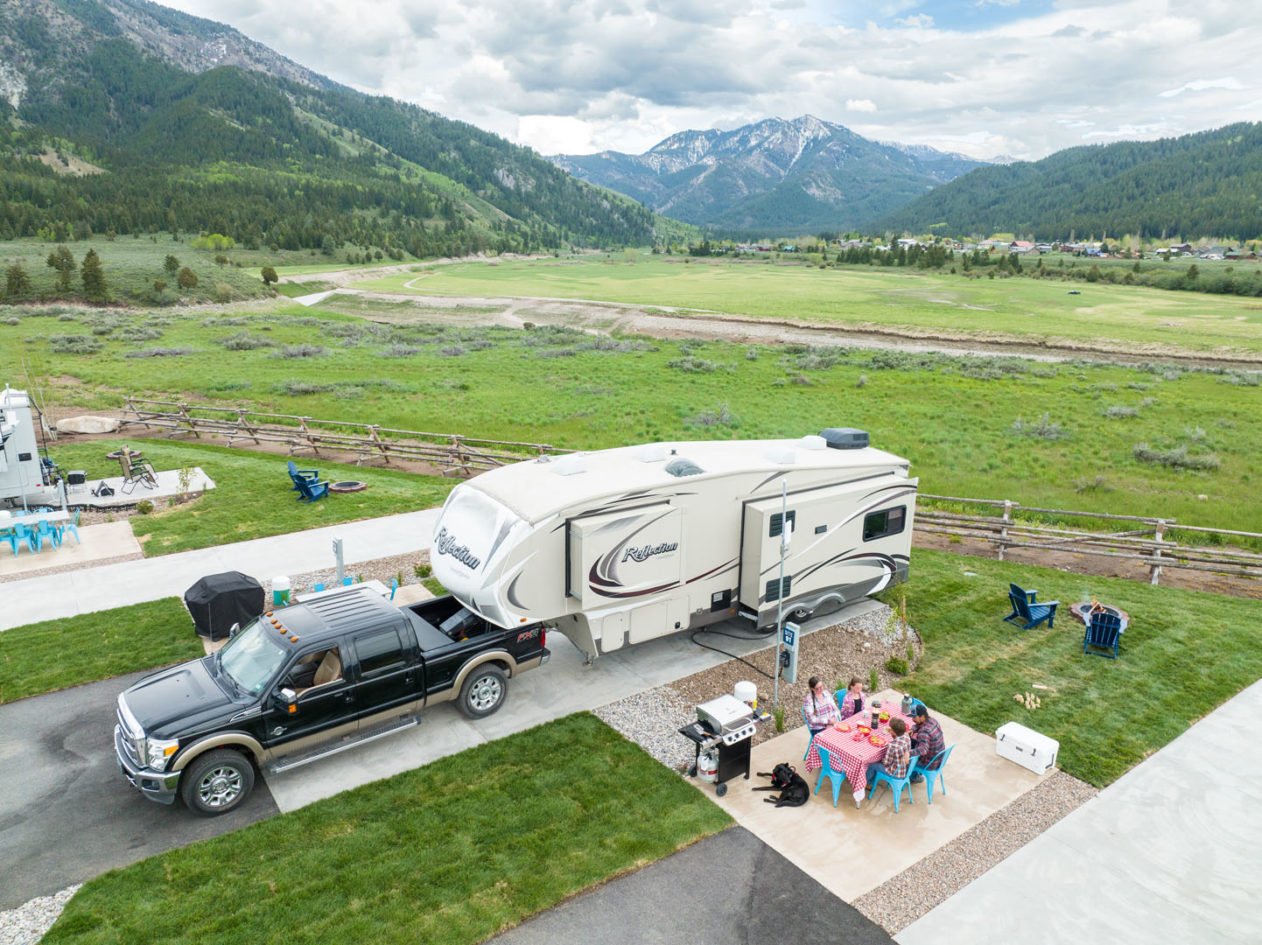
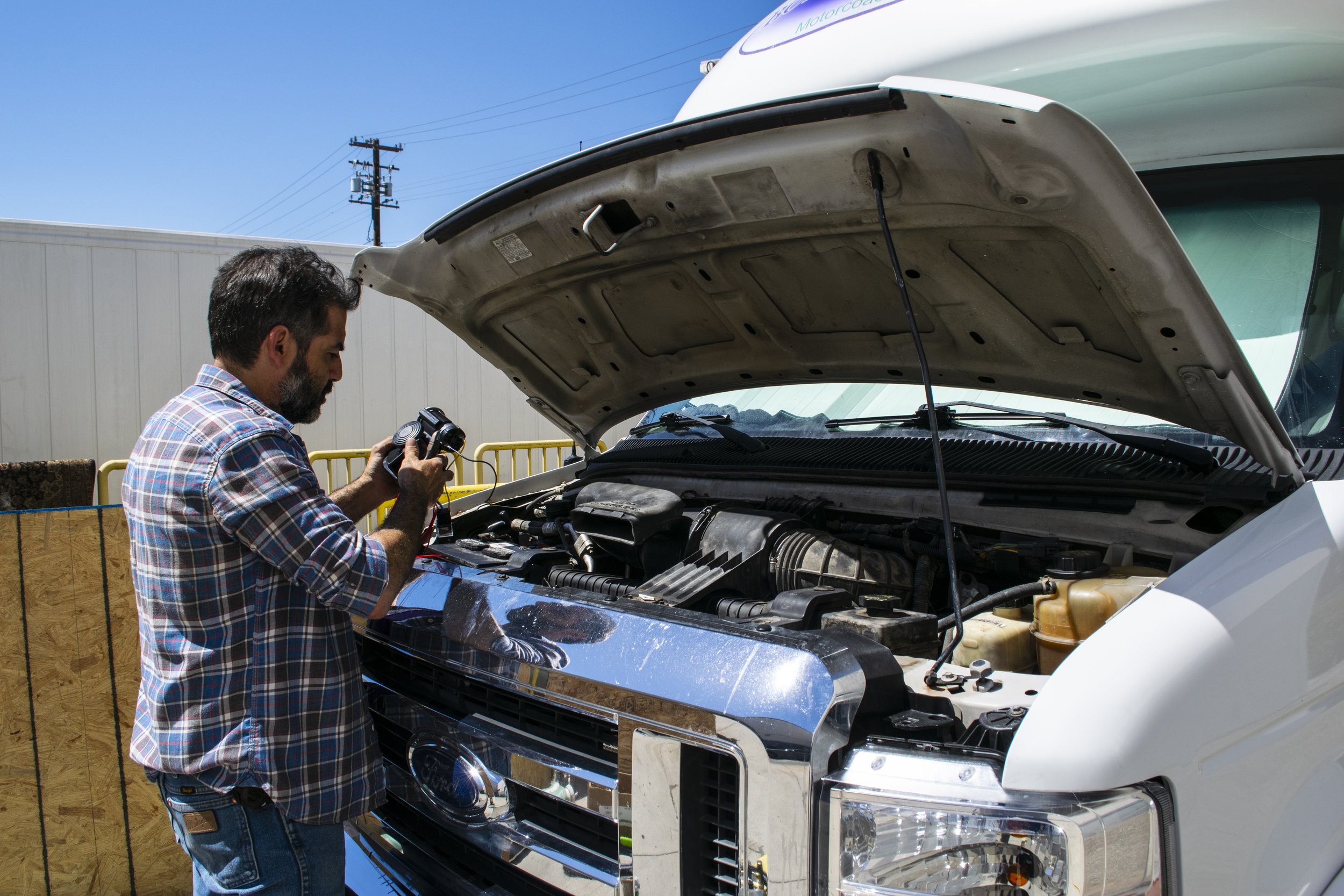
Owning an RV is all about freedom and adventure, but that freedom depends on a rig that runs reliably. The good news is that most major RV breakdowns are preventable with consistent maintenance. Below are the ten essential tasks every RV owner should know, whether you handle them yourself or have a mobile technician take care of them at your home or campsite.
1. Inspect and Reseal Your Roof
Your RV roof takes constant abuse from sun, heat, and weather. Inspect the seals and sealant around vents, skylights, and edges at least twice a year. Catching a small crack early and resealing it is far cheaper than repairing the water damage a leak causes inside your RV.
2. Check Your Tires Before Every Trip
RV tires often fail from age and improper inflation rather than tread wear. Check the pressure when the tires are cold, inspect for cracks or bulges on the sidewalls, and know the manufacture date. Most RV tires should be replaced every five to seven years regardless of mileage.
3. Service the Batteries
Both your chassis and house batteries need attention. Keep terminals clean, check fluid levels on lead-acid batteries, and make sure they are holding a charge. Weak batteries are one of the most common reasons an RV will not start or run accessories.
4. Test the Air Conditioner
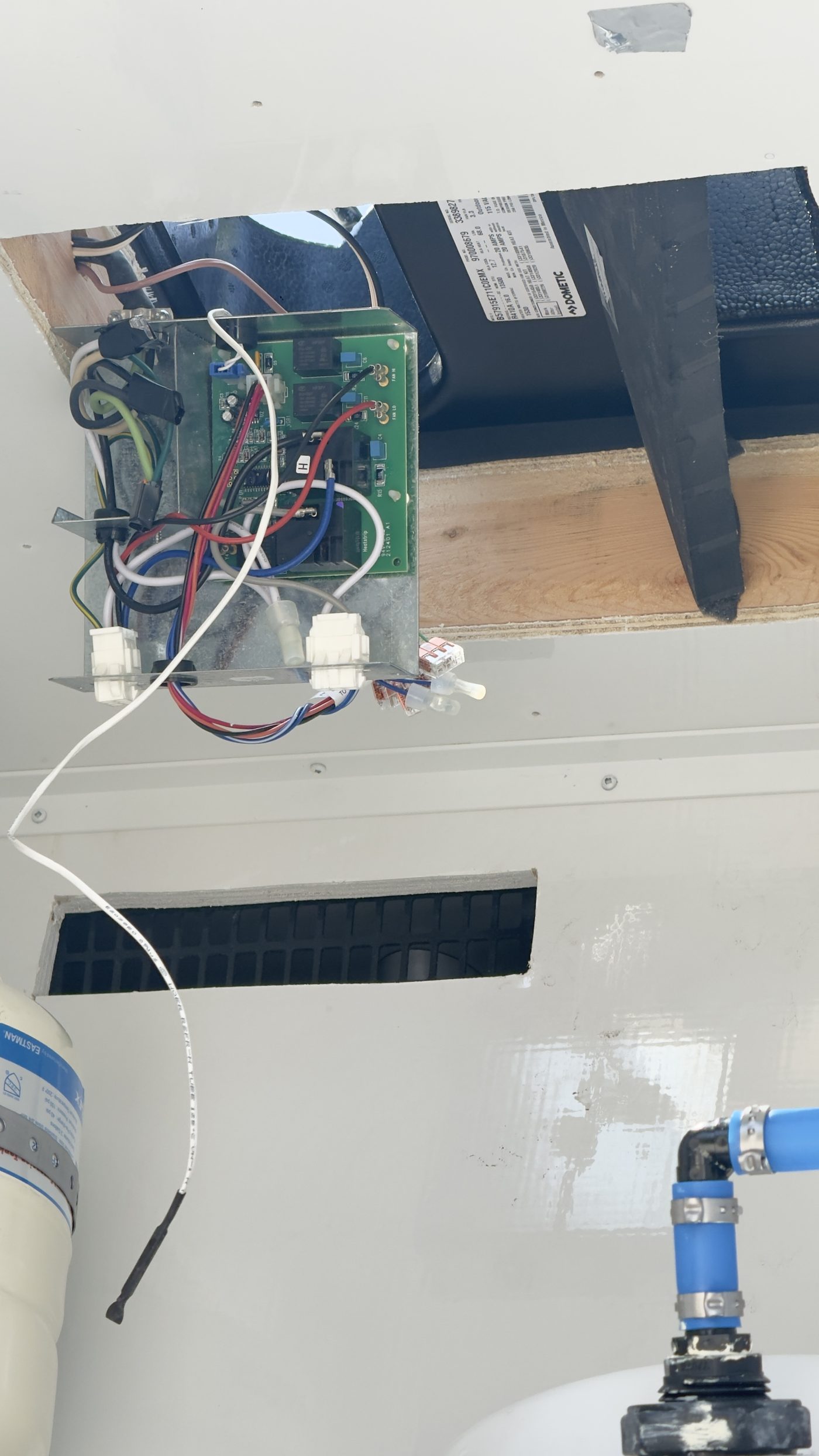
Before the hot Inland Empire summer arrives, run your AC and confirm it cools quickly and quietly. Clean or replace the filters and check that the unit is not tripping breakers. A quick test in spring beats discovering a dead AC on a 100-degree day.
5. Maintain the Plumbing System
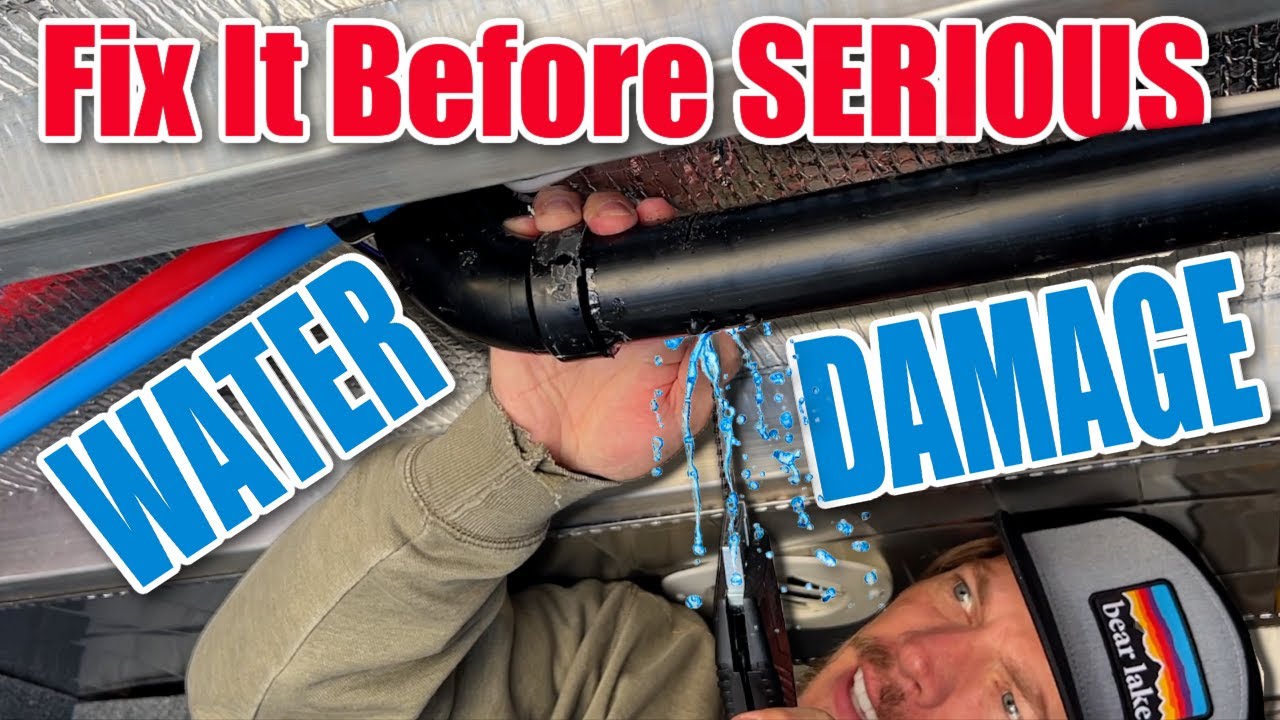
Sanitize your fresh water tank, check the water pump, and inspect for leaks under sinks and around the water heater. Keep your holding tank valves and seals in good shape to avoid messy and smelly surprises.
6. Service the Generator
If your RV has a generator, run it under load regularly and change the oil and filters per the manufacturer schedule. Generators that sit unused often develop fuel and carburetor problems.
7. Inspect Brakes and Wheel Bearings
Your braking system is critical for safe towing and driving, especially on mountain grades like Highway 38 and Highway 330. Have brakes and bearings inspected and serviced according to schedule.
8. Check All Safety Devices
Test smoke detectors, carbon monoxide detectors, the propane (LP) alarm, and your fire extinguisher. Replace batteries and expired units. These small devices protect your life.
9. Lubricate Slide-Outs and Moving Parts
Slide-outs, steps, awnings, and hitches all need periodic lubrication and inspection. Keeping these parts clean and lubricated prevents costly mechanical failures and keeps everything operating smoothly.
10. Schedule a Professional Inspection
Even diligent owners benefit from a yearly professional inspection. A trained RV technician can spot issues you might miss and handle the items that require specialized tools or expertise. A mobile technician can do this right in your driveway.