The electrical system is one of the most misunderstood parts of any RV. Unlike your house, an RV runs on two separate systems that work together. Once you understand the basics, troubleshooting becomes far less intimidating, and you will know when it is time to call a professional.
The Two Systems: 12V DC and 120V AC
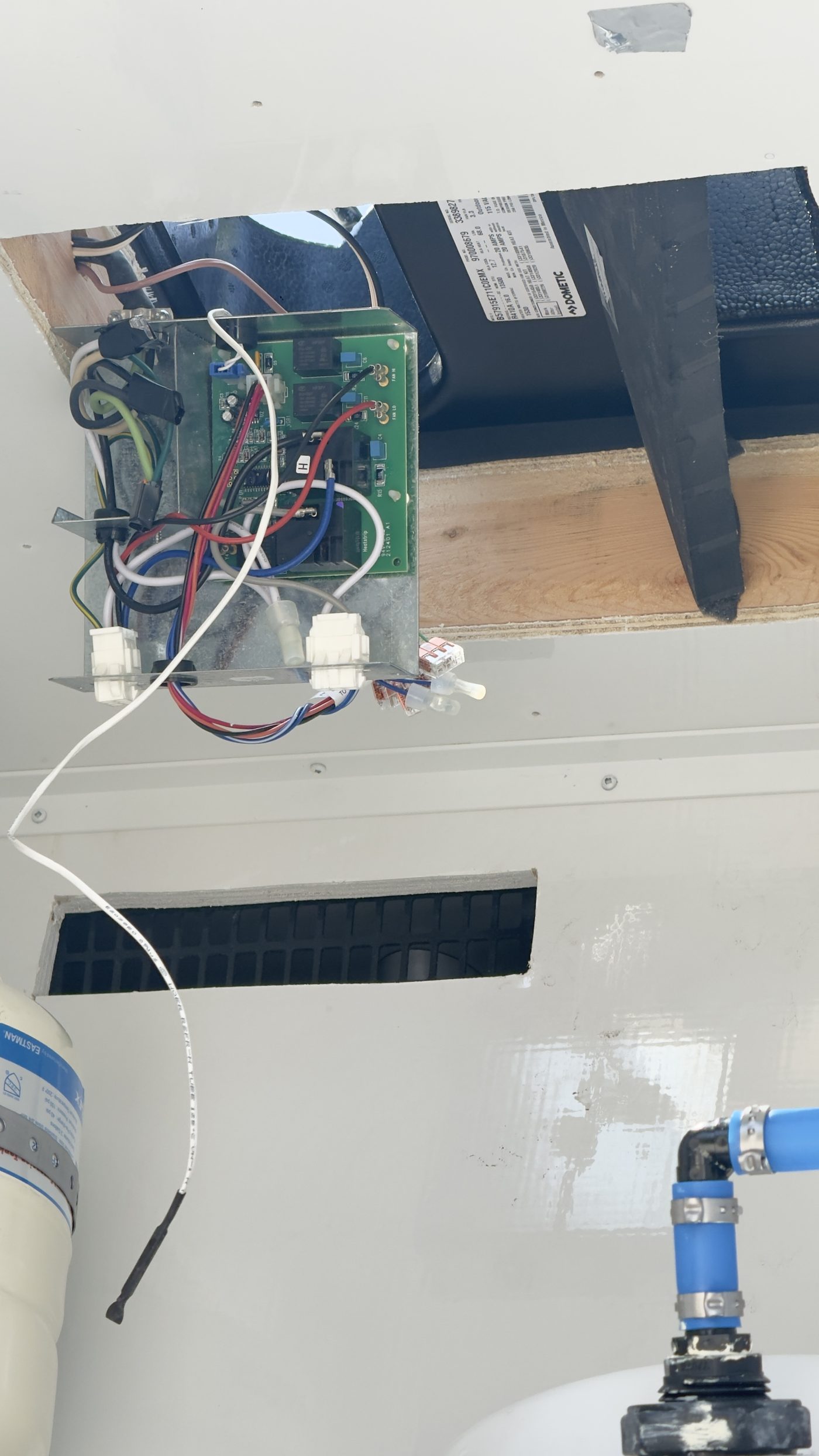
Your RV has a 12-volt direct current (DC) system powered by your house batteries, and a 120-volt alternating current (AC) system powered by shore power, a generator, or an inverter. The 12V system runs things like lights, the water pump, fans, and the control boards on your appliances. The 120V system runs larger items like the air conditioner, microwave, and standard outlets.
House Batteries
Your house batteries are the heart of the 12V system. They store the power that keeps your RV running when you are not plugged in. Keeping them charged, clean, and healthy is essential. When batteries weaken, you may notice dim lights, a water pump that struggles, or appliances that will not power on.
The Converter and Inverter
A converter changes 120V shore power into 12V power to run your DC system and charge your batteries while plugged in. An inverter does the opposite, turning 12V battery power into 120V AC so you can run household items without shore power. Knowing which device you have, and whether it is working, is key to diagnosing power problems.
Shore Power and Surge Protection
When you plug into a campground pedestal, you are using shore power. Campground power quality varies a lot, and a power surge or miswired pedestal can damage your RV electronics. A quality surge protector is one of the best investments you can make to protect your electrical system.
Common Electrical Problems
Many electrical issues come down to a few common causes:
- Dead or weak house batteries
- A tripped breaker or blown fuse
- A failed converter not charging the batteries
- Corroded connections and loose wiring
- A miswired or low-voltage shore power pedestal
When to Call a Professional
Electrical work can be dangerous and complex. If you have checked the obvious items like breakers and fuses and still have problems, or if you smell burning or see scorched wiring, stop and call a qualified RV technician. A mobile electrical diagnosis at your location can pinpoint the issue safely.