
The plumbing in your RV is a compact version of what you have at home, with a few important differences. Knowing how it works will help you avoid problems, handle minor issues yourself, and know when to call for help. Here is a practical introduction.
How RV Plumbing Works
Your RV has a fresh water system, a water heater, a water pump, and waste holding tanks. When connected to city water, pressure comes from the source. When boondocking, the 12V water pump pulls from your fresh tank and pressurizes the system. Waste water drains into the gray tank (sinks and shower) and black tank (toilet).
Water Pump Problems
If you have no water pressure off city water, the pump is the first suspect. Pumps can fail, lose prime, or develop leaks. A pump that runs constantly without building pressure often signals a leak or air in the system, while a pump that will not run at all may be an electrical issue.
Water Heater Issues
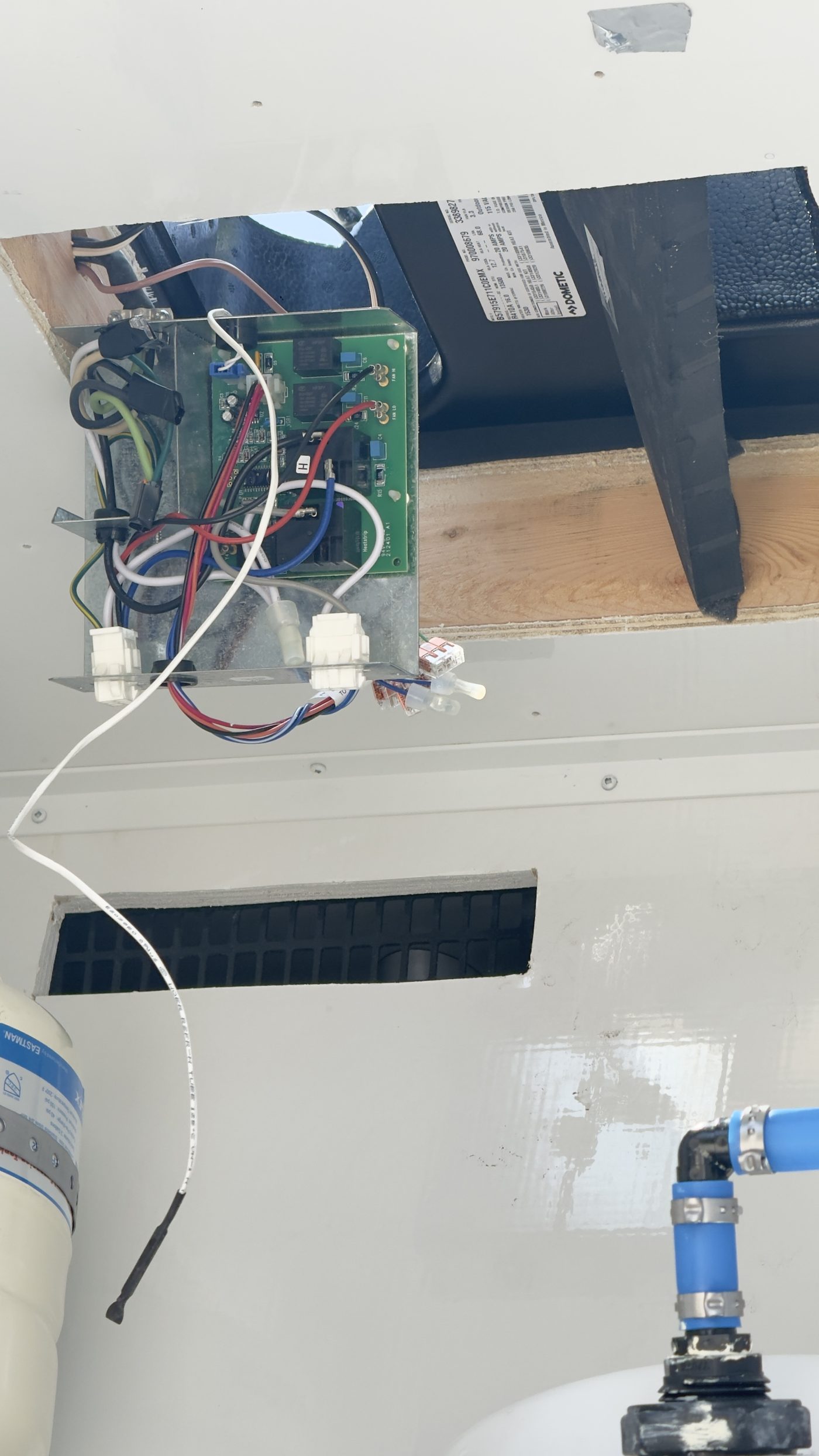
RV water heaters run on propane, electric, or both. Common problems include a unit that will not ignite, no hot water, or a leaking tank. Many issues come down to the bypass valve, the anode rod, the heating element, or the control board.
Holding Tank Troubles
Odors, slow draining, and faulty sensors are the most common holding tank complaints. Often these are caused by buildup, clogged vents, or stuck valves. Regular tank treatment and proper flushing prevent most of these headaches.
- Persistent odors: vent or buildup issues
- Slow draining: clog or partially stuck valve
- Inaccurate sensors: residue on the sensor probes
- Leaking valves: worn seals needing replacement
Leaks and Winter Damage
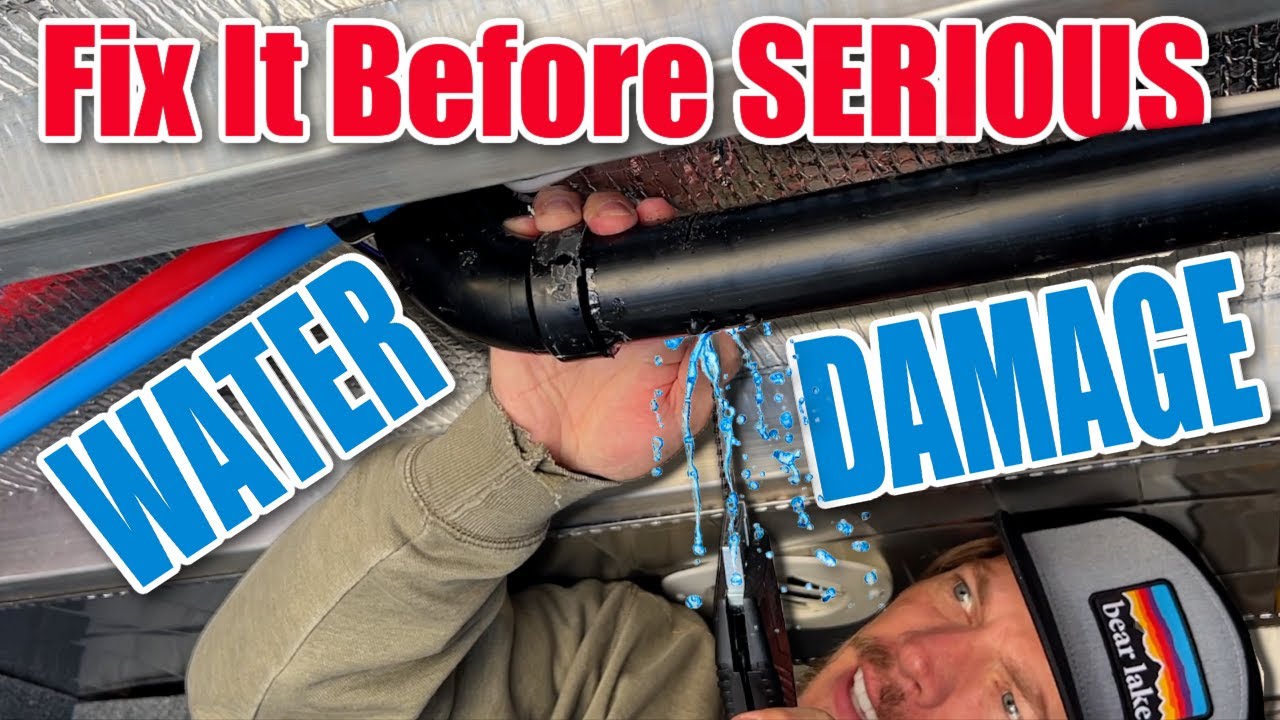
Leaks can appear at fittings, under sinks, around the water heater, and at the pump. Cracked lines from freezing are common after winter. Inspect regularly and address leaks promptly to avoid water damage to floors and cabinetry.
When to Call a Professional
Simple fixes like clearing a clog or tightening a fitting are within reach for many owners. But pump replacement, water heater repair, and hidden leaks are best handled by a technician. A mobile RV plumber can diagnose and repair these at your location.