Few things damage an RV faster or more expensively than a leaking roof. Because leaks often start small and hide behind walls and ceilings, the damage can be extensive before you ever notice it. Knowing the warning signs and inspecting regularly can save you thousands of dollars.
Why RV Roofs Fail
The intense Inland Empire sun is hard on RV roofs. UV rays and heat break down the sealant and roofing membrane over time, causing cracks, gaps, and brittleness. Add in temperature swings, wind, and the occasional low-hanging branch, and it is easy to see why roofs need regular attention.
Warning Signs to Watch For
Catch these signs early and you can usually prevent major damage:
- Cracked, peeling, or missing sealant around vents and seams
- Soft or spongy spots when walking on the roof
- Water stains on interior ceilings or walls
- A musty smell inside the RV
- Bubbling or lifting of the roof membrane
- Discoloration around skylights, vents, or the AC unit
The Cost of Ignoring a Leak
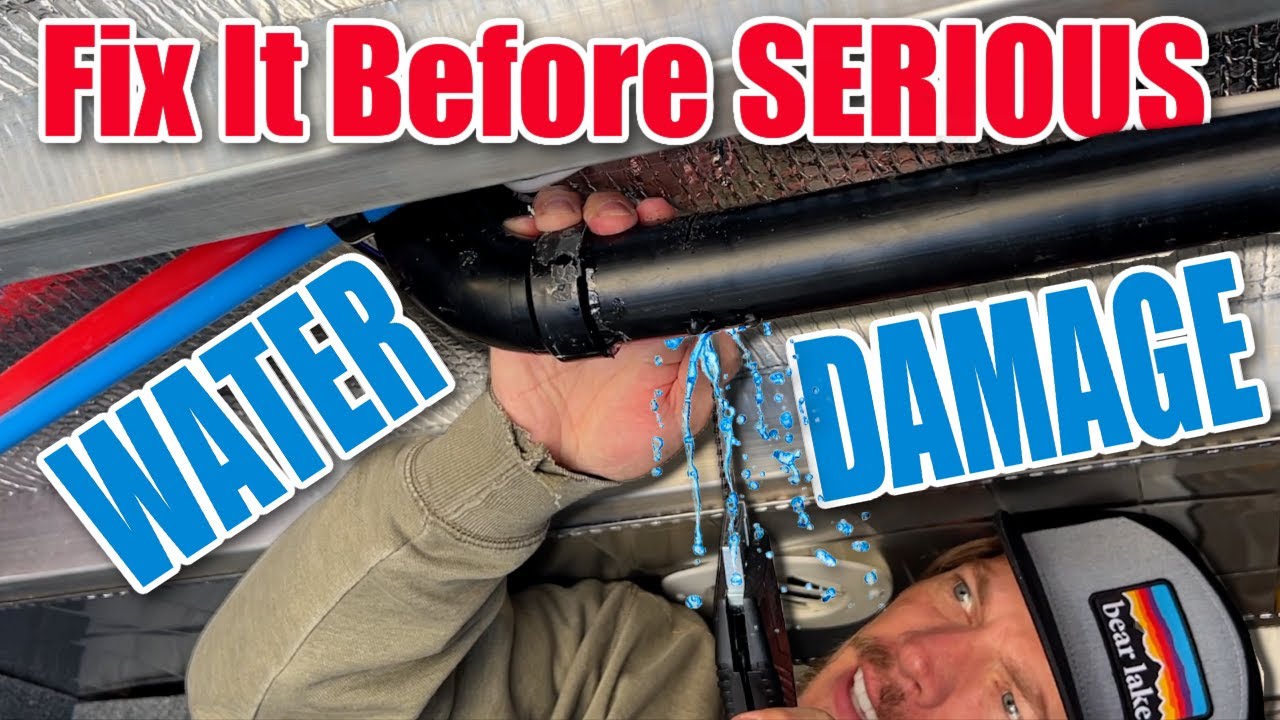
A small roof leak rarely stays small. Water travels along framing and insulation, leading to rotted wood, delaminated walls, ruined insulation, mold, and even structural damage. What might have been an inexpensive reseal can turn into a major repair if left unaddressed.
Prevention and Repair
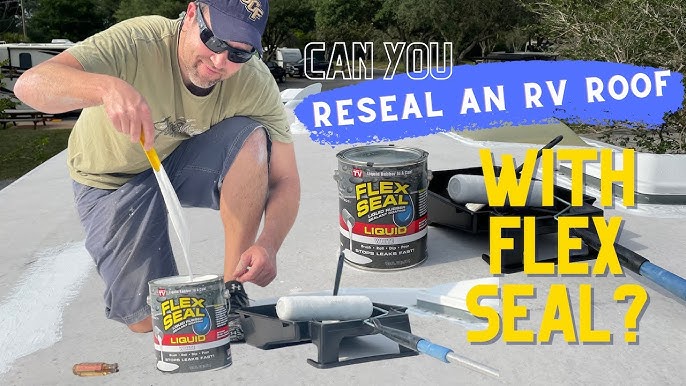
The best defense is regular inspection and resealing. Have your roof inspected at least twice a year and reseal as needed. If you spot damage, address it promptly. A mobile RV technician can inspect, clean, and reseal your roof right at your location, and handle patching or membrane repair when necessary.